
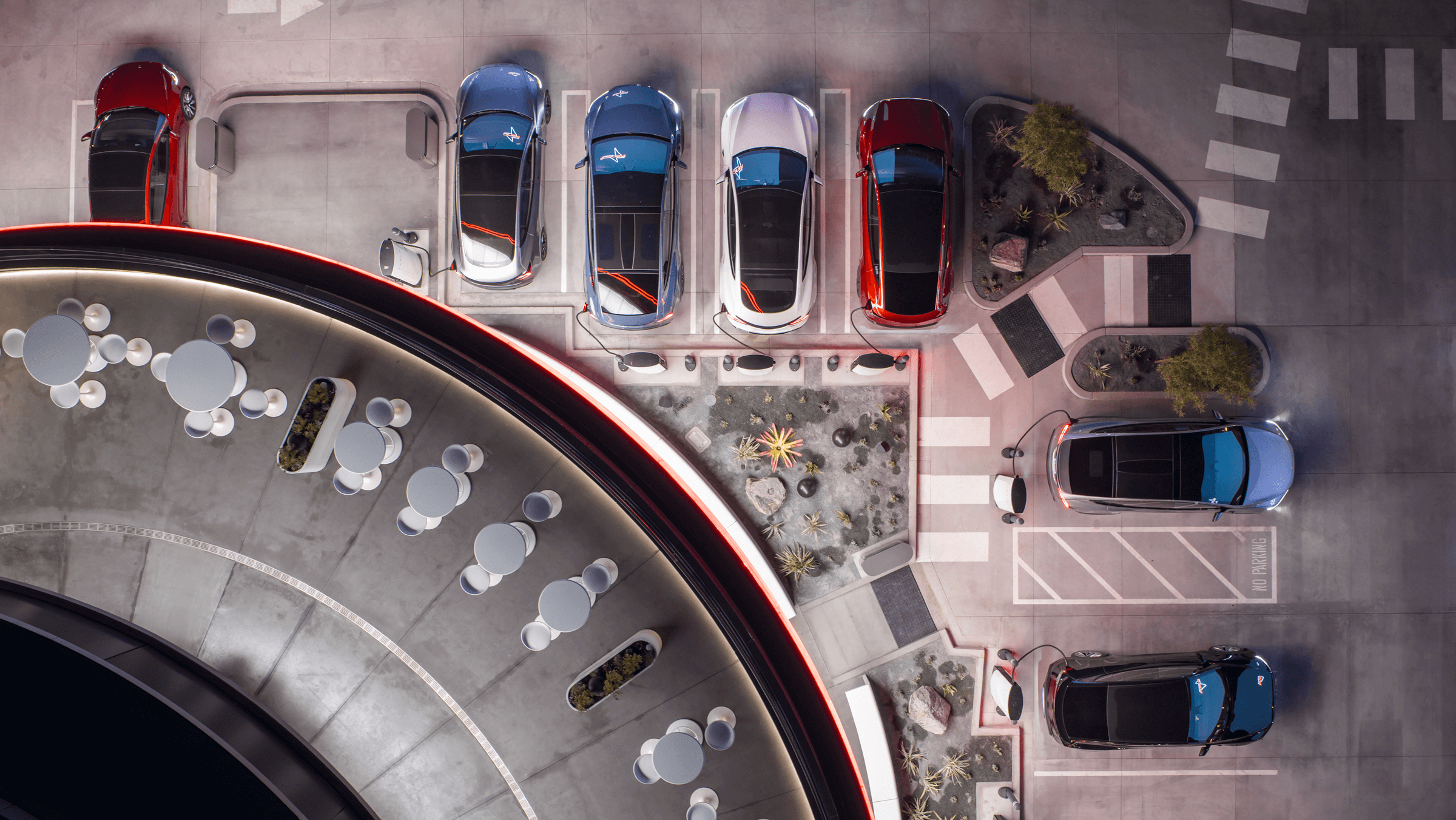
Parking lots were once purely functional spaces. Drivers parked, left their vehicles, and returned as quickly as possible. As electric vehicles become mainstream, that dynamic is changing. Fast charging infrastructure, particularly Tesla Superchargers, is reshaping how drivers use commercial properties and how owners think about value.
Across retail centers, hotels, and mixed-use developments, Tesla Superchargers are turning parking areas into places where drivers intentionally stop, stay, and spend.
Charging Time Creates Time on Property
A typical Tesla Supercharger session lasts between 20 and 40 minutes. That window changes driver behavior. Instead of waiting in their vehicles, drivers use the time to walk the property.
They buy food, shop, work from nearby cafés, or explore adjacent businesses. What used to be a brief stop becomes a planned visit. For property owners, this translates into longer dwell time and higher customer engagement.
Retail and property operators have long known that time spent on site directly affects sales. EV charging introduces that time organically, without discounts, promotions, or advertising.
Built-In Traffic From a Growing EV Network
Tesla drivers do not stumble across Superchargers by accident. Charging locations are integrated into vehicle navigation systems and trip planning. Drivers actively choose routes and stops based on charger availability. According to Tesla, sales (deliveries) grew by approximately 112,977 vehicles or about 29.4% from Q2 2025 to Q3 2025 with a total of 1.6M vehicles sold in 2025 alone.
When a property hosts Tesla Superchargers, it becomes part of that network. The result is consistent daily traffic from drivers who may not have otherwise visited the location. Unlike seasonal marketing campaigns or one-time events, charging demand is recurring and predictable.
For many properties, Superchargers introduce an entirely new customer base while reinforcing visits from existing customers who drive electric vehicles.
Benefits Extend to Tenants
The presence of fast charging infrastructure benefits tenants as much as property owners. Restaurants, coffee shops, convenience retail, and service businesses are well aligned with typical charging session lengths.
EV drivers tend to arrive with time already allocated for their stop. That makes them more likely to sit down, browse, or make multiple purchases. Over time, this pattern can improve tenant sales performance and increase the overall attractiveness of the property.
Retailers are also increasingly aware of the EV demographic, which skews toward higher income and strong brand loyalty. Properties that support EV drivers are often seen as better positioned for long-term growth.
Impact on Property Value
Longer dwell time and stronger tenant performance have a direct impact on asset value. Properties with fast charging infrastructure are increasingly viewed as more resilient and future-ready.
As municipalities, automakers, and consumers accelerate the transition to electric vehicles, charging infrastructure is shifting from a nice-to-have amenity to expected infrastructure. Properties that lack it risk falling behind market expectations.
In many cases, Tesla Superchargers also support higher tenant demand, improved lease terms, and stronger valuations, particularly in competitive retail and mixed-use markets.
Designing Charging as Part of the Experience
The most successful charging installations are not hidden at the edge of a parking lot. They are intentionally placed near active areas of a property and integrated into pedestrian flow.
Clear signage, safe walkways, and proximity to amenities encourage drivers to leave their vehicles and engage with the site. Charging becomes part of the customer experience rather than a background utility.
This approach reflects a broader shift in how properties are designed for an electrified transportation future.
A Changing Role for Parking Lots
As EV adoption continues to grow, charging locations will increasingly influence where people choose to stop. Parking lots are no longer just transitional spaces. They are becoming points of engagement that drive foot traffic, spending, and repeat visits.
Tesla Superchargers are accelerating this shift. By increasing dwell time and attracting new customers, they are helping transform underutilized parking areas into valuable destinations.
For property owners, the message is clear. EV charging is no longer just about power. It is about people, time, and long-term value.